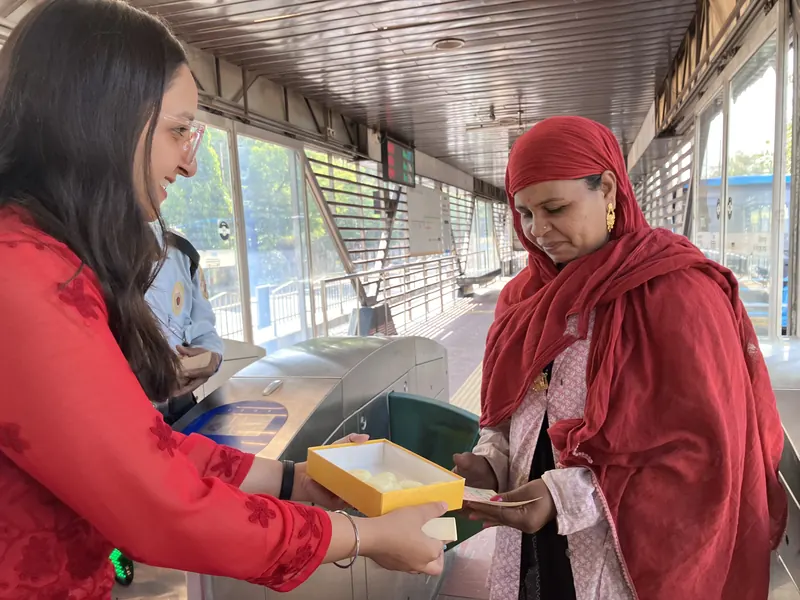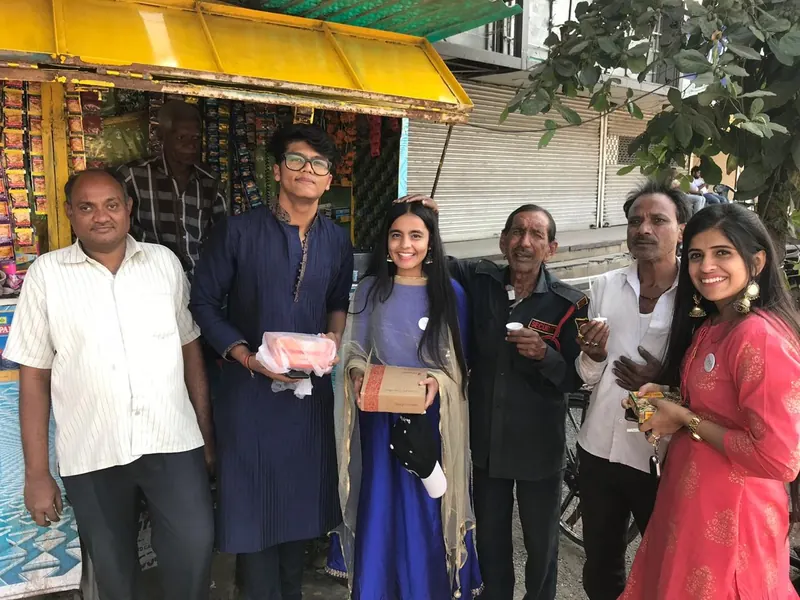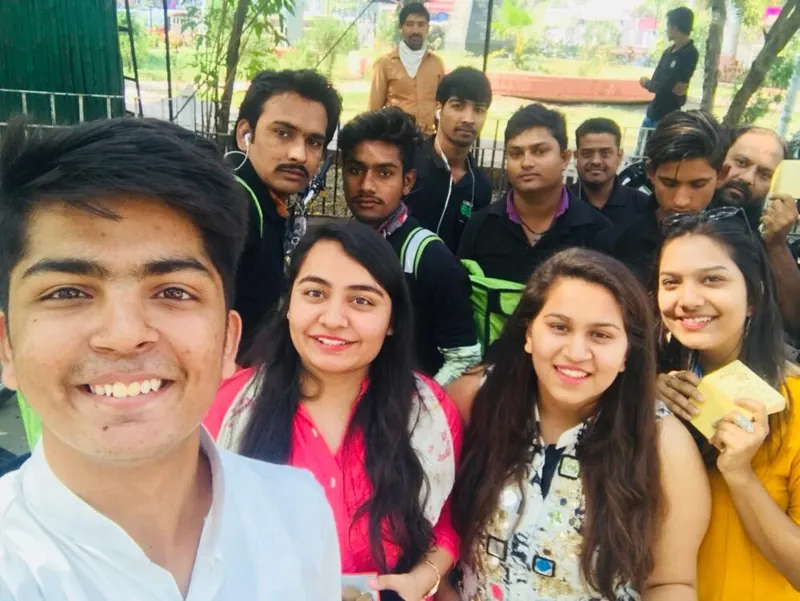

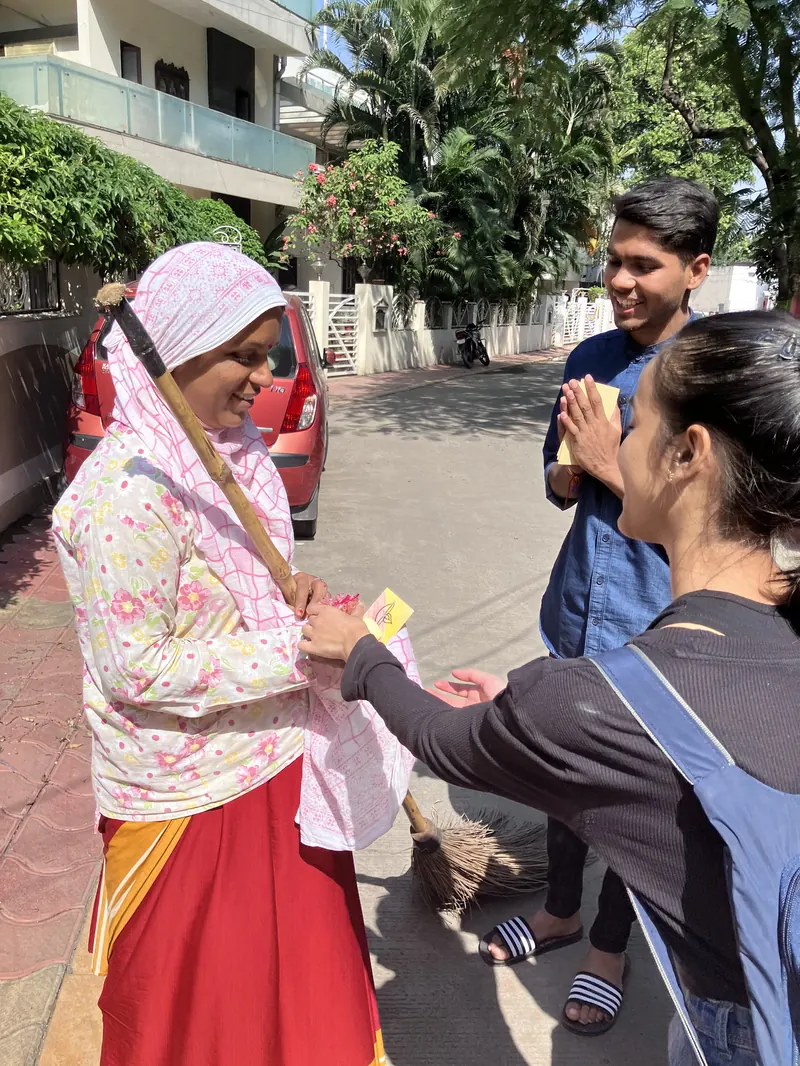
When all of Indore lights diyas at home, our volunteers step out. With mithai, handmade Diwali cards and a diya for every person still working so the rest of us can celebrate.
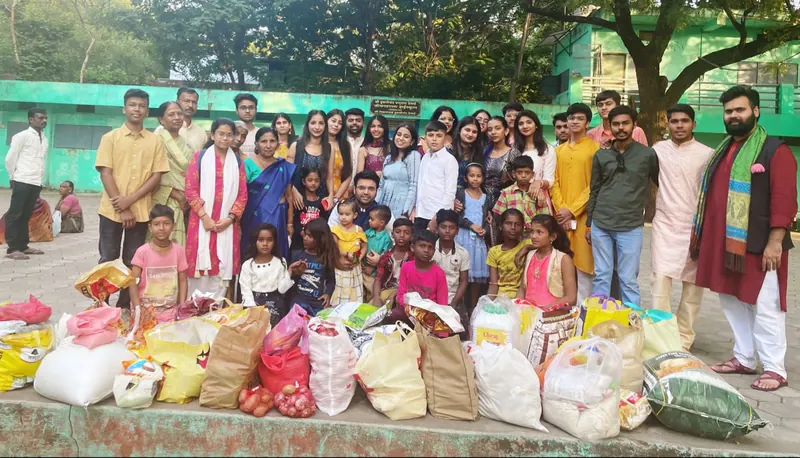
Every year, around fifty days out, a bunch of young people across Indore start knocking on doors. Friends, neighbours, the kirana uncle, parents' colleagues. One bag of atta at a time. One packet of dal at a time.
0kg of ration and counting
Every grain of it carried by hand, since 2018, to people who needed it more than we did. Dil Waali Diwali is an initiative by Manas Dowlani, and it began with one simple question: what does Diwali feel like for the people who don't get the day off?
2018and every Diwali since
स्वेच्छा
Who shows up
We call them Swechcha Karmi.
स्वेच्छा कर्मी. People who work by their own will. Nobody is assigned. Nobody is asked twice.
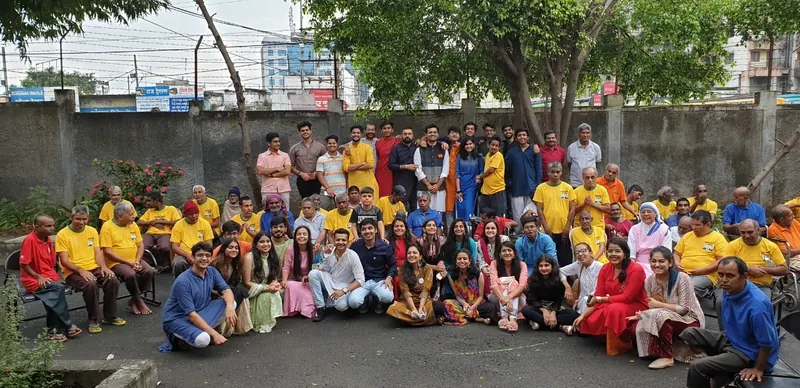
Most of them are between 14 and 25. Old enough to haul a ration sack up the stairs, young enough that this becomes the Diwali they measure every other Diwali against. Some have come every single year since school. Some fly back home just for this week.
Sewa bhaav isn't taught in a classroom. It's caught, on a Diwali morning, when a tired constable smiles back at you.
Diwali morning, 6 AM onwards
While the city does pooja at home, we're on the road.
Stop 1
Thana to thana
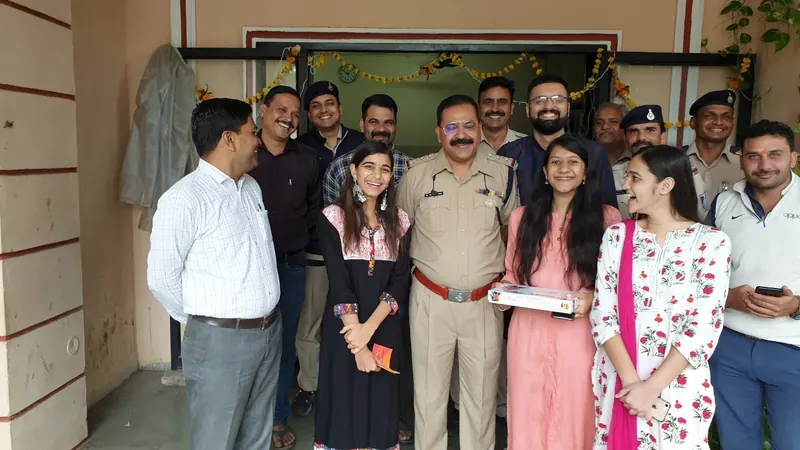
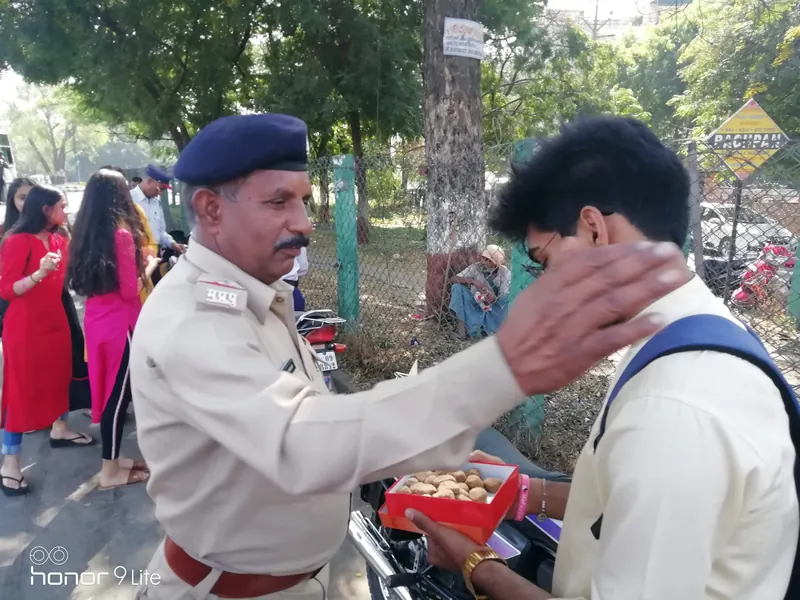
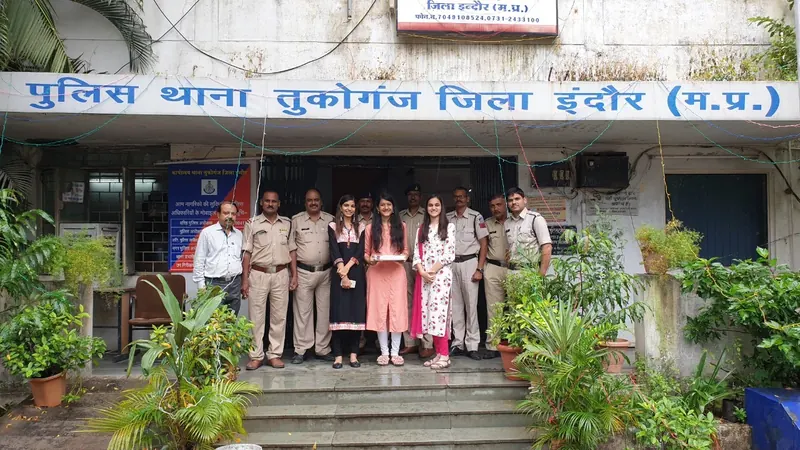
Constables on their third shift get a box of mithai, a diya, and a card a teenager painted by hand. The smiles are instant.
Stop 2
Bus stations
The people getting everyone else home for Diwali. Conductors, guards, the didi at the gate.
Stop 3
Safai karmi
The streets you decorated were swept by someone at 5 AM. She deserves a Happy Diwali that's meant just for her.
Stop 4
Guards and the corner shop
Night guards finishing their shift. The paan shop that never shuts. Everyone gets a diya.
Stop 5
Riders, drivers, everyone in between
Delivery riders bringing your Diwali orders, auto drivers, railway staff. For once, somebody stops them to hand them something.
Diwali morning, 2018
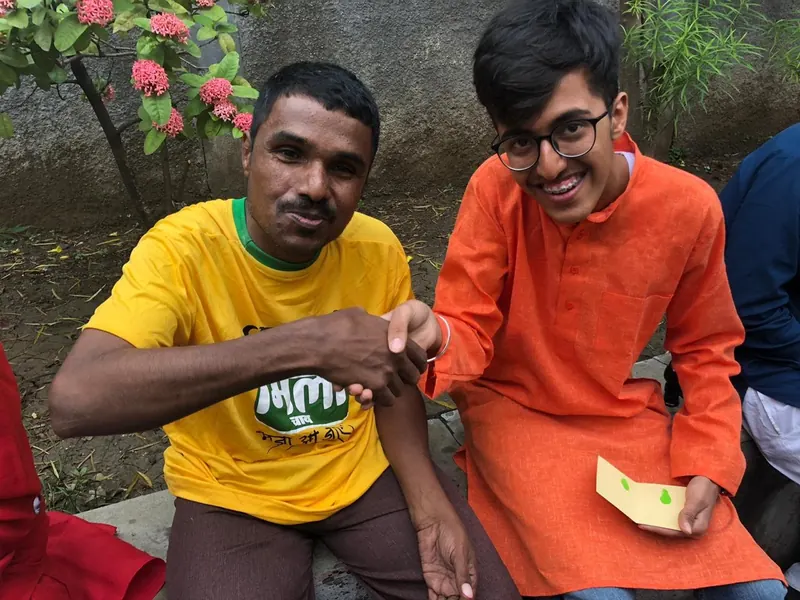
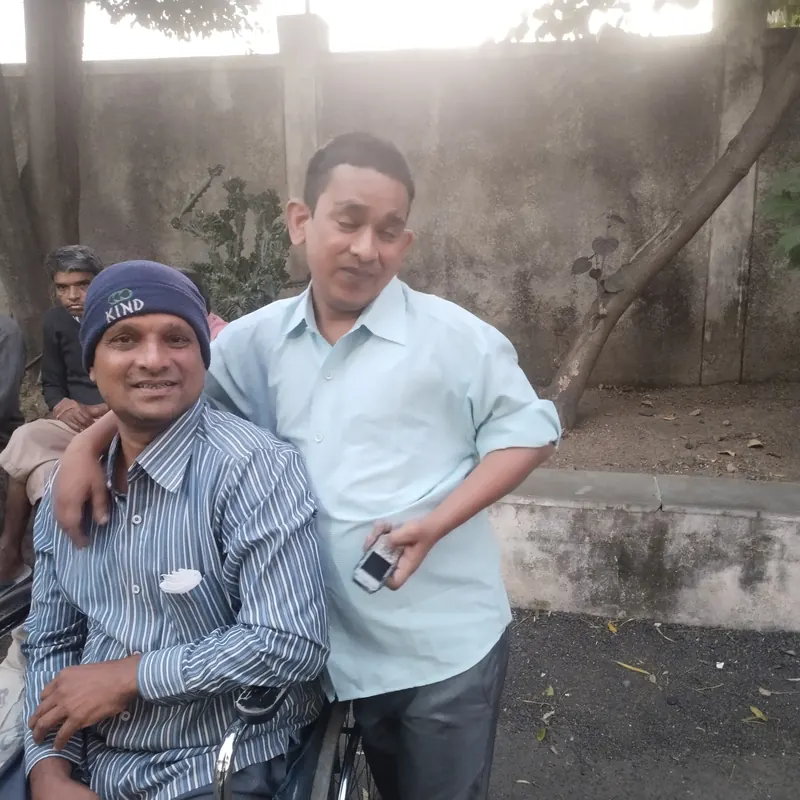
We went to give him laddoos. He gave us his blessing instead.
That's the whole idea, really. Light travels both ways.
The rest of the day, and the days after
Four places that wait for us every year.
01
The orphanageItems of their need, raised and delivered
We ask the children and caretakers what they actually need. Then we collect for weeks and show up with exactly that. The list changes every year. The kids waiting at the gate don't.
02
Sahara wardGovernment hospital, Indore
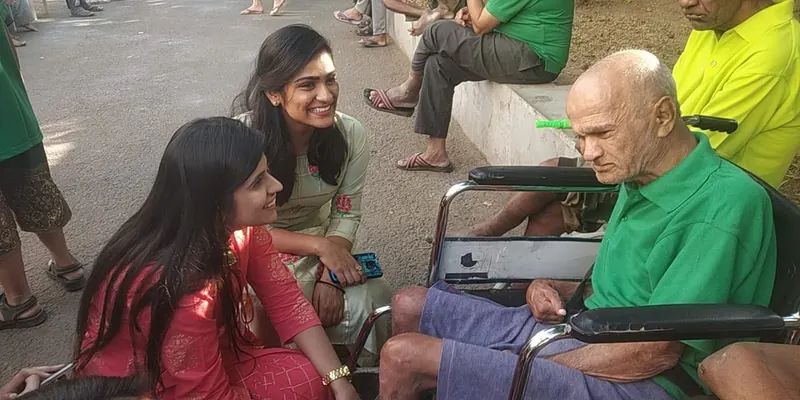
For the destitute patients in the ward, Diwali usually passes without anyone noticing. Not on our watch. Donations, sweets, time and company, right by the bedside.
03
The schoolFor children from underprivileged families
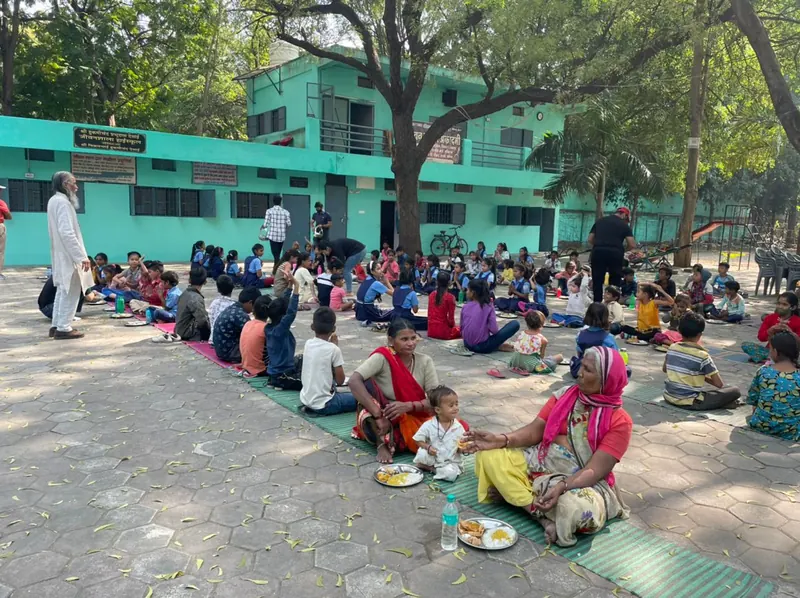
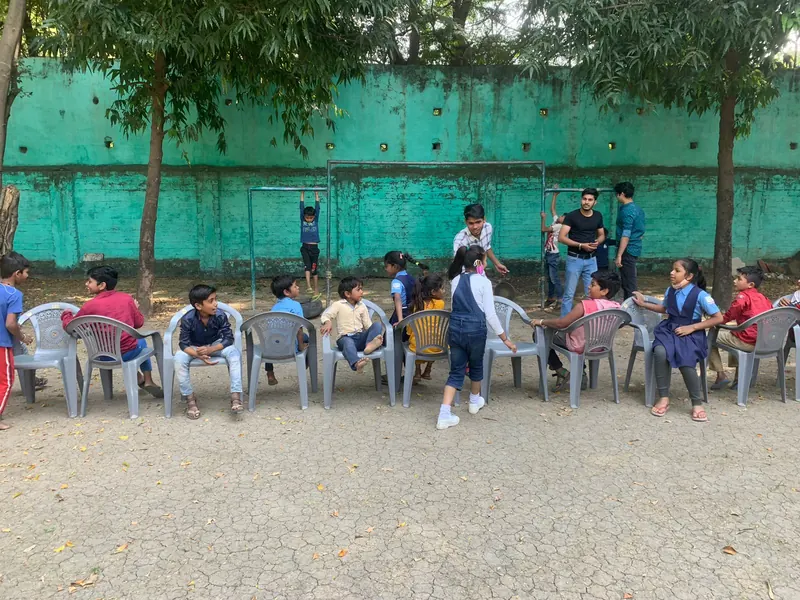
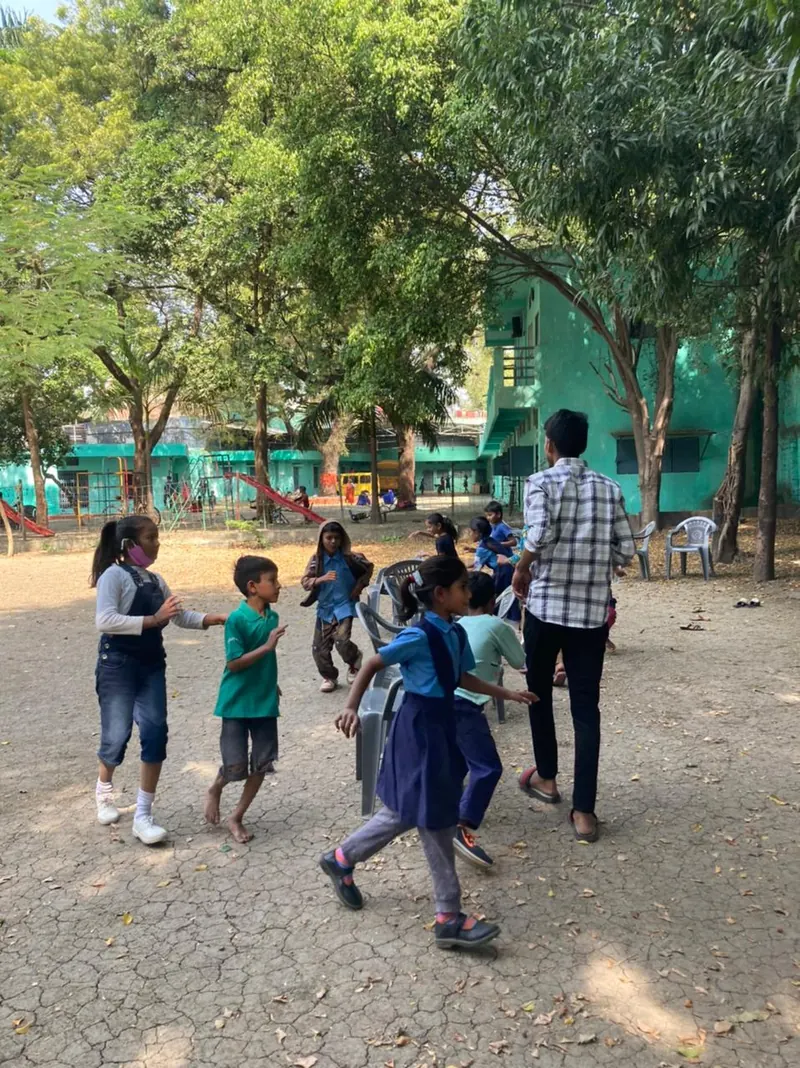
Food for their meals, new clothes, new footwear. In the days after Diwali we come back to serve the meal ourselves, and to lose very badly at musical chairs.
04
The old age homeThe last stop, every single year
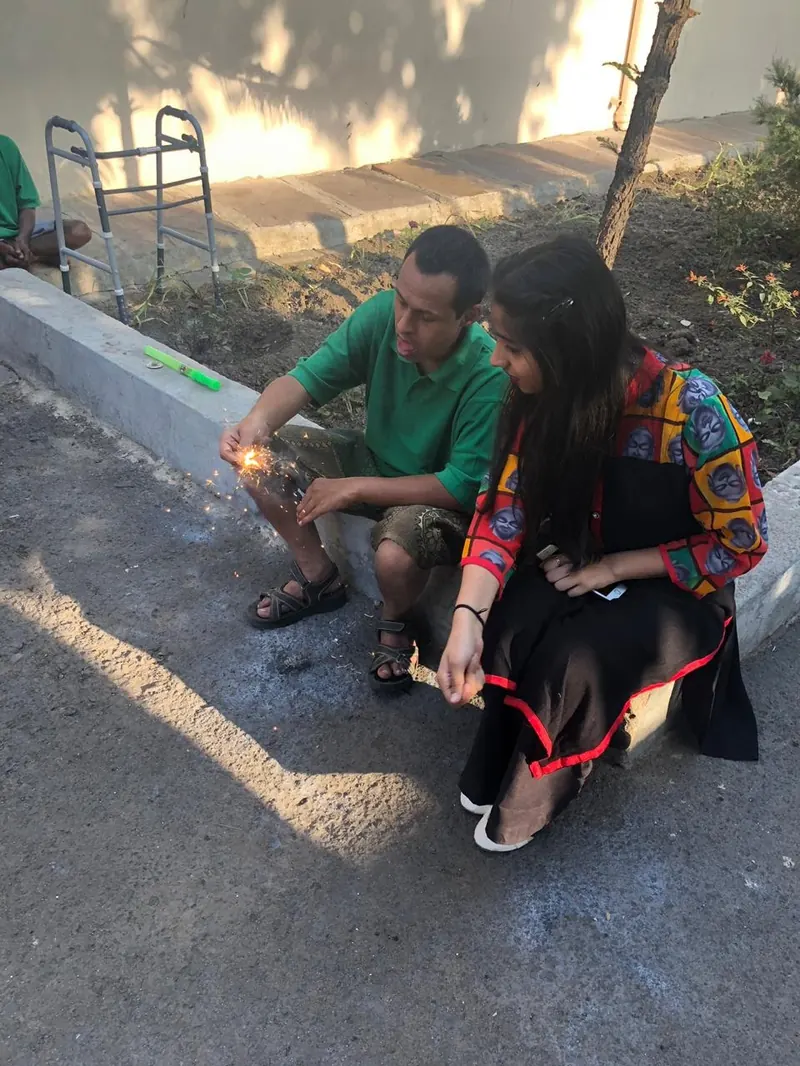
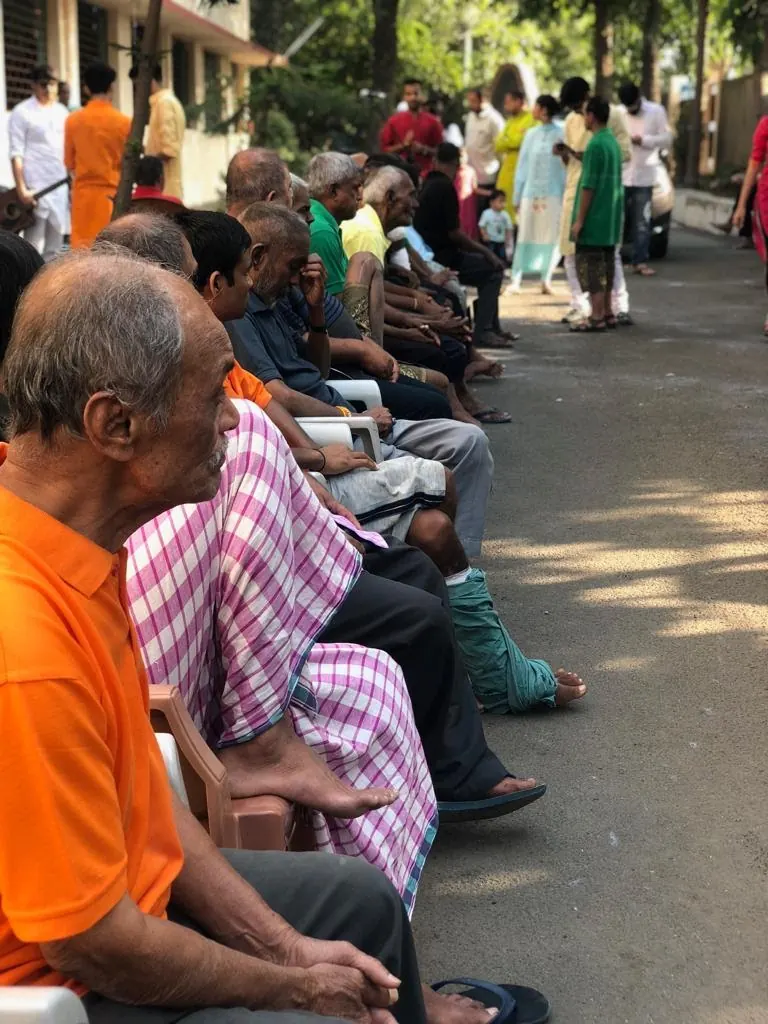
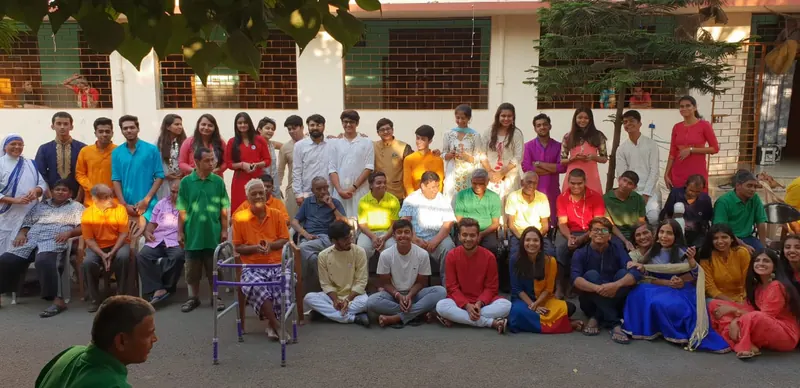
Medicines and ration first. Then flameless cooking, phuljhadis, a few crackers and a lot of very loud laughing. Our seniors look forward to it all year. Honestly, so do we.
Since 2018
Eight Diwalis, in pictures.
Questions people ask us
Good to know.
What is Dil Waali Diwali?
Dil Waali Diwali, also written Dilwaali Diwali, is a youth-led Diwali volunteering tradition in Indore, Madhya Pradesh, started by Manas Dowlani in 2018. On Diwali morning volunteers share sweets, handmade greeting cards and diyas with people who keep working through the festival, then visit an orphanage, the Sahara ward of a government hospital, a school for underprivileged children and an old age home.
When does it happen?
Ration collection starts about 50 days before Diwali. The outreach happens on Diwali day itself, and we return to the school in the days after to serve meals. In 2026, Diwali falls on Sunday, 8 November.
Who can volunteer?
Anyone who wants to. Most of our volunteers are between 14 and 25, but nobody is turned away for being older or younger. Write to mail@manasdowlani.com.
What does Swechcha Karmi mean?
A person who works by their own will. It's what we call our volunteers, because nobody is assigned and everyone chooses to come.
How much has been donated so far?
Over 2,000 kg of ration since 2018, along with clothes, footwear, medicines and whatever our partner homes ask for each year.
What can I donate?
Dry ration like atta, rice, dal and oil. Clothes and footwear for children. Medicines for the old age home. And the specific items the orphanage asks for that year. Write in and we'll tell you what's needed most right now.
I don't live in Indore. Can I still help?
Yes, and many people do. Contributions come in from across India and around the world every Diwali. Email mail@manasdowlani.com and you'll know exactly where your contribution goes.
Tonight, and every Diwali after
Bring your light.
It started in one city with a handful of friends. Now people from across the world pitch in. There's room for you too, wherever you are.
Volunteer
Join the ration collection over the fifty days, or walk the Diwali morning route with us. Wanting to is the only requirement.
Contribute
Ration, clothes, footwear, medicines, or funds toward one of the four homes. We'll tell you exactly where it went.
Pass it on
Send this to one friend who'd love this. That's how most of our Swechcha Karmis found us.